

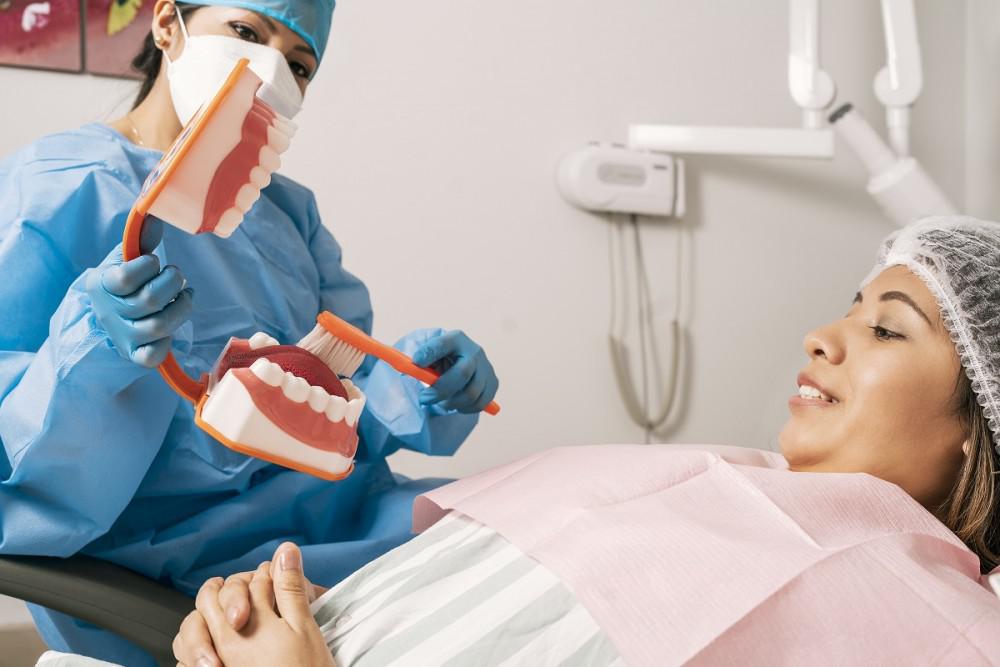
Preventive dentistry protects your teeth before damage starts. You keep your natural smile. You avoid painful problems and costly fixes. You do this through simple daily steps. You brush with care. You floss with purpose. You see your dentist on a regular schedule. Each visit finds small issues early. Each cleaning removes buildup you cannot reach at home. Each checkup lowers your risk of fillings, crowns, and root canals. Many people wait until they hurt. Then they rush to an emergency dentist in Santa Rosa, CA for help. That visit can feel urgent and stressful. Routine preventive care gives you control instead of a crisis. You spend less time in the chair. You spend less money on treatment. You also protect your health, because tooth and gum problems can affect the rest of your body. Preventive dentistry offers steady, quiet protection every single day.
Why stopping problems early matters
Tooth decay and gum disease start small. A soft spot in the enamel. A little bleeding when you brush. A bit of sensitivity to cold water. You might ignore these signs. The problem grows. It reaches the nerve. It reaches the bone. Then you face deep cleanings, root canals, extractions, and long healing.
Preventive care stops this chain. You catch decay when it is still on the surface. You treat gum swelling before it destroys bone. You can then avoid complex work and long visits. You also avoid the emotional strain that comes with sudden pain and urgent treatment.
Key steps in preventive dentistry
You build strong prevention with three simple habits.
- Daily home care
- Regular office visits
- Smart choices about food and drink
Daily home care
Your home routine sets the base. You remove food, plaque, and germs every day. You protect the enamel and the gums.
- Brush two times each day with fluoride toothpaste
- Brush for two minutes each time
- Floss once each day between every tooth
- Use a soft toothbrush and gentle strokes
- Replace your brush every three to four months
The Centers for Disease Control and Prevention reports that cavities are common in both children and adults. Strong brushing and flossing lowers this burden. You control the first line of defense with your own hands.
Regular office visits
Home care is not enough. Some spots in your mouth are hard to clean. Tartar forms. Early decay hides between teeth. Your dentist and hygienist use tools and training to find and remove these threats.
During a preventive visit, you usually receive three services.
- A cleaning that removes plaque and tartar
- A check of teeth, gums, tongue, and cheeks
- X-rays, when needed to see between teeth and under fillings
The National Institute of Dental and Craniofacial Research explains that decay forms when bacteria feed on sugar and create acid. Routine checkups let your dentist see where this acid has started to weaken enamel. Treatment at this stage is simple and quick. Many times, it only needs fluoride and sealants, not drilling.
Smart food and drink choices
Every sip and bite touches your teeth. Sugar and acid wear them down. You can limit harm with clear choices.
- Drink water instead of soda or sports drinks
- Save sweets for mealtimes instead of all-day snacking
- Chew sugar-free gum after meals to increase saliva
- Eat crunchy fruits and vegetables that help clean tooth surfaces
These steps lower the number of acid attacks on your enamel. Your mouth then has time to repair early damage on its own.
Preventive care vs restorative treatment
Preventive care is simple and quick. Restorative work is longer and more intense. The table below shows a basic comparison.
| Type of visit | Common purpose | Average time in chair | Usual patient experience |
|---|---|---|---|
| Preventive cleaning and exam | Stop decay and gum disease early | 30 to 60 minutes | Light scraping. Polishing. Little to no discomfort. |
| Filling | Repair small to medium cavity | 45 to 75 minutes | Numbing shot. Drilling. Possible soreness after. |
| Crown | Cover cracked or heavily decayed tooth | Two visits of 60 to 90 minutes each | Tooth shaping. Temporary crown. Sensitivity between visits. |
| Root canal | Treat infected nerve inside tooth | 90 minutes or more | Lengthy numbing. Pressure. Fatigue after the visit. |
| Extraction | Remove tooth that cannot be saved | 45 to 60 minutes | Numbing or sedation. Bleeding. Healing time at home. |
This comparison shows a hard truth. You pay with time, comfort, and money when prevention fails. Regular cleanings and exams feel simple when you contrast them with a root canal or extraction.
How preventive dentistry protects your whole family
Prevention works for every age. You can build one plan for your whole household.
For children
- First dental visit by age one or within six months of first tooth
- Fluoride varnish on baby and adult teeth
- Sealants on permanent molars soon after they come in
These steps cut the risk of childhood cavities. They also teach children that dental visits are safe and calm, not scary.
For adults
- Cleanings and exams every six months or as advised
- Stronger focus on gum health and bone support
- Check of old fillings and crowns for wear and leaks
Adults often juggle work and family. It feels easy to push off checkups. That delay often ends with a broken filling or sudden toothache at the worst time.
For older adults
- Monitoring for dry mouth from medications
- Careful checks of root surfaces that can decay faster
- Support with cleaning around bridges, implants, and dentures
Strong teeth help older adults eat, speak, and stay social. That supports both physical and emotional health.
Protecting your health beyond your mouth
Gum disease is linked to heart disease, diabetes control, and pregnancy outcomes. Inflammation in your gums can mirror inflammation in your body. By keeping your mouth clean and free of infection, you lower the strain on your immune system. You also reduce the number of harmful bacteria that can enter your bloodstream.
This connection means that preventive dentistry is not just about smiles. It is about energy, comfort, and daily function. You chew without pain. You speak without worry. You sleep without throbbing teeth waking you in the night.
Taking your next step
You do not need a perfect record. You only need to start now. Schedule a checkup. Ask for clear feedback on your brushing and flossing. Set reminders for visits every six months. Place a new toothbrush by your sink. Fill your water bottle instead of reaching for soda.
Each small step moves you away from urgent treatment and toward steady health. You gain control. You protect your budget. You preserve your own teeth for as long as possible. That is the true power of preventive dentistry.