

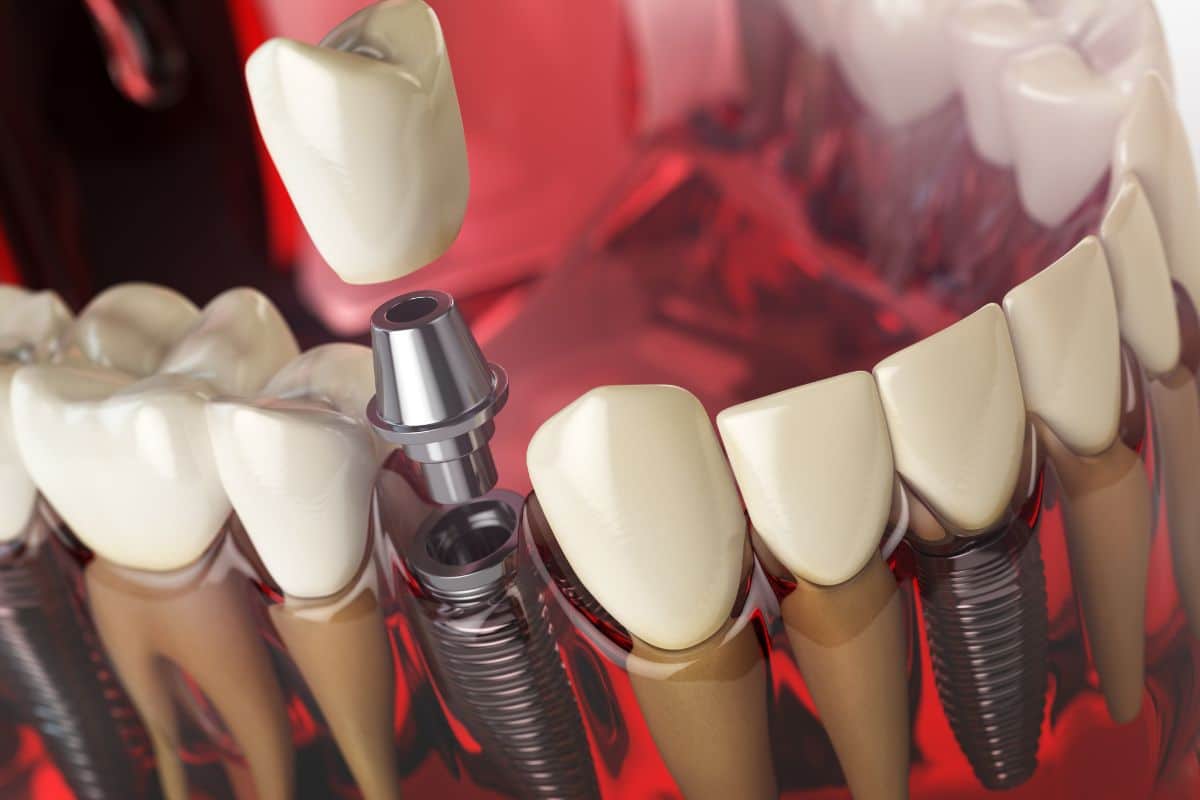
You may feel nervous when you hear the words “dental implant.” You might picture pain, long recovery, or fake looking teeth. You are not alone. Many people avoid treatment because of stories they hear from family, neighbors, or social media. These stories sound true. They are not. They keep you in daily discomfort. They block you from eating, speaking, and smiling with ease.
This blog clears up five common myths about dental implants. It explains what treatment really involves, how it feels, what it costs, and how long it lasts. It also shows when you should talk with a Westchester periodontist about your own mouth.
You deserve clear facts. You deserve safe care. You also deserve a bite that feels strong and steady. Once you know the truth, you can decide with less fear and more control.
Myth 1: Dental implants always hurt
Many people picture sharp pain during and after implant surgery. That picture is wrong. You receive numbing in the treatment spot. You might receive medicine that helps you relax. You stay awake. You do not feel cutting or drilling. You might feel some pressure.
After treatment, you can expect some soreness. You use simple pain medicine in most cases. You rest. You use ice. You follow clear home instructions. Most people return to normal routines within a few days.
Implants protect you from long-term pain. Missing teeth strain your jaw and other teeth. That strain can cause ongoing soreness. An implant gives support that removes that daily ache.
You can read more about pain control and dental surgery from the National Institute of Dental and Craniofacial Research..
Myth 2: Implants look fake
Many people fear a metal smile. That fear comes from old stories. Today, the metal part of the implant stays inside your jaw. The part others see is the crown. The crown matches your other teeth in shape, size, and color.
Your dentist studies your bite, smile line, and gum shape. The crown is made to blend in. People often forget which tooth is the implant when they look in a mirror.
Here is a simple comparison.
| Tooth option | What others see | Color match |
|---|---|---|
| Dental implant with crown | Crown that looks like a natural tooth | Custom shade that matches nearby teeth |
| Traditional bridge | Connected crowns | Often close match, may change over time |
| Removable partial denture | Plastic tooth, sometimes metal clips | Varies, may stain or wear |
You can bring old photos of your smile. Your dentist can use them as a guide for shape and color. That step helps your implant blend with your face and age.
Myth 3: Implants are only for older adults
People often think implants belong only to grandparents. That belief causes many younger adults to stay with gaps or loose partials for years. Age alone does not control if you can receive an implant. Your health, bone level, and oral habits matter more.
You might be a good match if you:
- Have one or more missing teeth
- Have healthy gums
- Do not smoke or are ready to quit
- Can keep regular dental visits
Teens who still grow are not ready for implants yet. Their jaws still change. Once growth stops, an implant can be a long-term answer. Older adults can receive implants if their health allows surgery.
The American Dental Association explains who might benefit from implants.
Myth 4: Implants cost too much
The price tag can shock you at first. An implant does cost more up front than a removable denture or some bridges. Yet you should look at the cost over many years. Cheaper options often need repair or replacement. They can also wear down nearby teeth.
Here is a simple cost comparison over time. These are sample ranges, not quotes.
| Treatment | Usual use time | Possible repeat work |
|---|---|---|
| Single dental implant and crown | 15 years or more with care | Less frequent |
| Traditional bridge | 5 to 10 years | Often needs full redo |
| Removable partial denture | 5 to 7 years | Relines, repairs, or remake |
Insurance may cover part of the cost. Some plans treat an implant like other major dental work. Many offices offer payment plans. Some people use health savings or flexible spending accounts. When you spread the cost over many years, an implant often gives strong value.
Myth 5: Implants need special care
Many people think implants need extra tools or complex cleaning. That fear keeps them with loose dentures or empty spaces. The truth is simple. You care for implants almost the same way you care for natural teeth.
Daily steps include:
- Brush twice each day with a soft brush
- Clean between teeth with floss or small brushes
- Use low sugar food and drink patterns
You also need regular checkups and cleanings. Your team checks the gum around the implant. They take X-rays when needed. They watch for early signs of infection or bone loss. Routine care is more effective after treatment. Strong implants support your bite, so cleaning is easier and steadier.
When you should talk with a specialist
You should seek help if you avoid smiling, hide your mouth, or chew on only one side. You should also act if loose dentures move when you talk or eat. Those are signs your mouth is not working well for you.
A specialist can study your X-rays and mouth and share clear options. You can ask about pain control, healing time, and cost. You can also ask what happens if you do nothing. That answer often surprises people. Bone can shrink when teeth are missing. That change can alter your face shape and speech.
You do not have to decide right away. You only need facts that match your body, budget, and values. With those facts, you can choose care that restores bite strength and quiets daily worry.