

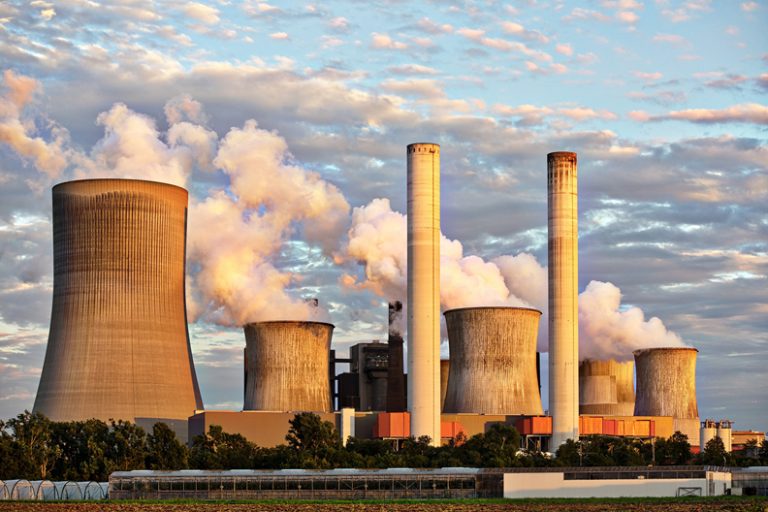
Decommissioning industrial or energy sites is a complex and multi-faceted process that requires careful planning, execution, and management. The process is not merely about shutting down operations; it involves ensuring environmental safety, complying with regulations, and mitigating potential risks. Understanding the key challenges and risks is critical for successful decommissioning, and it highlights the importance of specialized decommissioning services.
Environmental Challenges in Decommissioning
Decommissioning industrial or energy sites often presents significant environmental challenges. From contamination of soil and water to hazardous waste management, addressing environmental risks is a top priority. Even sites that have been operational for decades may carry legacy pollutants that require careful handling.
Hazardous Waste Management
One of the primary environmental challenges is the proper handling of hazardous waste. Industrial sites often contain chemicals, asbestos, or radioactive materials, which need to be safely removed and disposed of. Mishandling these materials can lead to severe environmental consequences, including soil contamination, water pollution, and long-term ecological damage.
Soil and Groundwater Contamination
Legacy contamination in soil and groundwater is another critical concern. Decommissioning services must include thorough site assessments to identify areas of contamination. Once identified, remediation strategies such as soil excavation, chemical treatment, or bioremediation can be applied to mitigate risks. Without proper intervention, contamination can persist for years, posing threats to local ecosystems and communities.
Air Quality Concerns
During site dismantling, dust, fumes, and other airborne pollutants can pose significant risks to the environment and public health. Effective dust suppression methods, air monitoring, and proper ventilation are essential to maintain air quality standards throughout the decommissioning process.
Safety Challenges During Decommissioning
Safety risks are inherent in decommissioning projects due to the complexity and scale of operations. Ensuring worker safety, as well as the safety of the surrounding community, requires meticulous planning and strict adherence to safety protocols.
Worker Safety and Hazard Exposure
Industrial decommissioning involves heavy machinery, structural dismantling, and handling of hazardous substances. Workers are exposed to risks such as falls, chemical burns, explosions, and equipment-related injuries. Specialized decommissioning services focus on comprehensive safety training, protective equipment, and adherence to industry best practices to mitigate these risks.
Structural Instability
Aging infrastructure can pose serious safety hazards. Buildings, tanks, and pipelines may be structurally unsound, making dismantling operations highly dangerous. Engineers and safety specialists must assess structures carefully and implement controlled demolition or deconstruction methods to prevent accidents.
Emergency Response Planning
Unforeseen incidents, such as chemical spills or fires, can occur during decommissioning. Promethean emphasizes the importance of having detailed emergency response plans, including evacuation procedures, containment strategies, and medical preparedness to address emergencies promptly and effectively.
Regulatory Challenges
Navigating regulatory requirements is a critical aspect of decommissioning industrial or energy sites. Compliance with environmental, health, and safety regulations is mandatory and often complex due to the involvement of multiple standards and authorities.
Permitting and Documentation
Decommissioning projects require numerous permits, including environmental clearance, hazardous waste transport permits, and demolition approvals. Preparing accurate documentation and ensuring timely submission is essential to avoid project delays and legal penalties.
Environmental Compliance
Regulations often dictate the standards for soil remediation, water treatment, air quality, and waste disposal. Non-compliance can result in fines, project shutdowns, and reputational damage. Promethean incorporates environmental monitoring and reporting mechanisms to ensure full compliance throughout the decommissioning process.
Risk of Litigation
Failure to adhere to regulatory standards or to address environmental and safety concerns adequately can result in legal liabilities. Thorough risk assessment and proactive compliance measures are essential to minimize the potential for litigation and financial loss.
Technical Challenges
Decommissioning industrial or energy sites requires specialized technical expertise due to the complex machinery, structures, and materials involved. Technical challenges can significantly impact project timelines and costs.
Equipment Dismantling and Removal
Industrial sites are equipped with heavy machinery and complex systems. Dismantling these structures safely while ensuring minimal disruption requires skilled personnel and appropriate technology. Decommissioning services provide the expertise to plan, disassemble, and transport equipment efficiently.
Site Assessment and Planning
Accurate site assessment is crucial for effective decommissioning. This includes evaluating structural integrity, contamination levels, and potential hazards. Promethean uses advanced assessment tools and modeling techniques to create detailed decommissioning plans that minimize risks and optimize resource allocation.
Waste Segregation and Recycling
Proper segregation of waste materials is a technical challenge that impacts both environmental compliance and cost-efficiency. Materials such as metals, plastics, and chemicals must be categorized and processed appropriately. Recycling and recovery of materials not only reduce environmental impact but also offer potential cost savings.
Financial and Project Management Risks
Decommissioning projects often face financial and logistical challenges due to their scale and complexity. Effective project management is essential to mitigate cost overruns and ensure timely completion.
Budget Overruns
Unexpected contamination, structural issues, or regulatory hurdles can significantly increase project costs. Decommissioning services employ detailed cost assessments, risk analysis, and contingency planning to minimize the likelihood of budget overruns.
Scheduling Delays
Delays in regulatory approvals, unforeseen technical challenges, or weather conditions can affect project timelines. Promethean prioritizes proactive scheduling, continuous monitoring, and flexible project management to maintain progress and avoid costly delays.
Stakeholder Coordination
Coordinating with various stakeholders, including local authorities, environmental regulators, and community representatives, is critical for smooth operations. Effective communication and transparency help manage expectations, reduce conflicts, and streamline decision-making processes.
Strategies to Mitigate Challenges and Risks
Addressing the complex challenges in decommissioning requires a combination of technical expertise, regulatory knowledge, and safety-conscious practices.
Integrated Risk Assessment
Conducting a comprehensive risk assessment at the outset allows teams to identify potential hazards and plan mitigation strategies. Environmental, safety, and financial risks must all be evaluated to develop a holistic decommissioning plan.
Use of Advanced Technology
Technological tools, such as remote monitoring, drones, and 3D modeling, can improve accuracy in site assessment, structural analysis, and hazard detection. Promethean leverages these technologies to enhance operational efficiency and reduce risks.
Emphasis on Training and Safety Culture
Investing in worker training, safety drills, and fostering a culture of safety is essential. Skilled personnel who understand the unique risks of decommissioning projects can respond effectively to emergencies and maintain compliance with safety protocols.
Environmental Stewardship
Implementing sustainable practices, such as waste recycling, pollution control measures, and site restoration, is crucial for minimizing environmental impact. Decommissioning services often integrate environmental stewardship into every stage of the project.
Conclusion
Decommissioning industrial and energy sites is a high-stakes undertaking that involves navigating environmental, safety, regulatory, technical, and financial challenges. Successful execution demands expertise, careful planning, and continuous monitoring to mitigate risks. By leveraging specialized decommissioning services and adopting best practices in safety, compliance, and environmental stewardship, sites can be safely and responsibly decommissioned, paving the way for future redevelopment or restoration.