

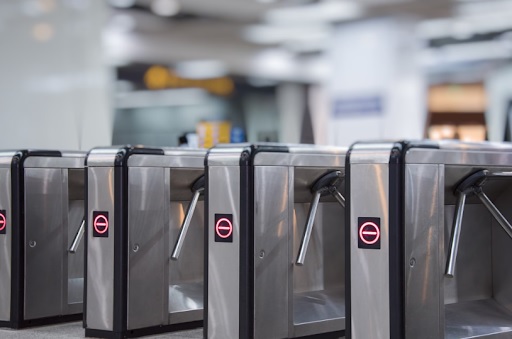
In today’s fast-paced world, managing pedestrian traffic efficiently and securely is critical for both businesses and public venues. Turnstile systems have emerged as a reliable solution, helping organizations regulate access, enhance security, and streamline operations. The adoption of a turnstile system in Singapore has become increasingly common as organizations prioritize both security and operational efficiency. By providing controlled entry and exit, these systems ensure that authorized individuals move seamlessly while preventing unauthorized access, making them invaluable in high-traffic environments.
The Role of Turnstile Systems in Modern Infrastructure
Turnstile systems play a central role in maintaining order in facilities with substantial foot traffic. Installed at key entry and exit points, they allow for controlled movement of individuals while collecting essential data on usage patterns. Different configurations, including tripod, full-height, and speed gates, are tailored for specific applications, from office buildings and transportation hubs to stadiums and event venues.
Beyond access control, turnstiles also gather metrics such as peak usage times and traffic flow. These insights enable organizations to optimize operations, allocate resources efficiently and enhance user experience. By integrating security and data collection, turnstile systems provide both functional and analytical benefits for modern facilities.
Technological Advancements in Turnstile Systems
Turnstile technology has evolved considerably over the years. Traditional mechanical systems have been replaced by electronic models with advanced features that improve security and convenience. Modern systems often include contactless card readers, biometric scanners, and facial recognition capabilities, providing robust security solutions while minimising physical contact.
A significant trend in this field is the incorporation of Internet of Things (IoT) technology. IoT-enabled turnstiles offer real-time data transmission to central management systems, allowing for remote monitoring and rapid response to potential security incidents. Predictive maintenance is another advantage, as system issues can be identified and addressed before causing operational disruptions.
Benefits of Implementing Turnstile Systems
Turnstile systems offer numerous advantages to facility managers, security personnel, and users alike. These systems act as a physical barrier, deterring unauthorised access and significantly enhancing the security of sensitive areas. By restricting entry to authorised individuals, turnstiles reduce risks such as theft, vandalism, and sabotage, making them particularly valuable in high-security settings.
Automation is another key benefit, reducing reliance on manned security posts. While turnstiles streamline entry, security personnel can focus on tasks that require human judgement, such as monitoring surveillance feeds or responding to alarms. This balance of automation and human oversight improves overall security efficiency while optimising resources.
From the user’s perspective, turnstiles expedite the entry process, reducing queues and wait times. Rapid credential verification is especially beneficial in high-traffic environments such as transportation hubs, stadiums, and corporate campuses, enhancing overall user satisfaction and operational flow.
Integration into Urban Planning and Smart Infrastructure
As cities continue to expand, efficient and secure access control is increasingly essential. Turnstile systems contribute to the development of smart urban environments by integrating with broader surveillance and information systems. This connectivity allows municipalities and facility operators to maintain safety, monitor crowd movements and respond proactively to incidents.
In public event management, turnstiles help maintain orderly access, reducing the risk of overcrowding while ensuring attendee safety. Additionally, integrated ticketing solutions streamline entry processes, improving the overall event experience. By combining crowd management with data-driven insights, turnstile systems enhance both safety and convenience in urban infrastructure planning.
Challenges and Considerations in Turnstile System Implementation
Despite their advantages, implementing turnstile systems requires careful planning. Facility layout, expected traffic volume, and specific security needs must be evaluated to select the most appropriate system. Additionally, while modern turnstiles are highly reliable, they must be part of a comprehensive security strategy, supported by trained personnel and well-defined incident response protocols.
Advanced turnstile systems that use biometric or facial recognition technology raise privacy considerations. Organisations must ensure compliance with data protection regulations and implement safeguards to prevent unauthorised access to sensitive personal information. Balancing security with privacy is a critical aspect of responsible system deployment.
Future Trends in Turnstile Technology
The turnstile industry continues to evolve, with technological innovation driving new possibilities. Future systems are expected to feature enhanced automation, AI-powered analytics, and greater integration with smart building management platforms. Emerging features such as adaptive flow control, crowd density monitoring, and predictive safety alerts will further optimise operational efficiency and security.
Integration with mobile apps and digital credentials is also anticipated to become standard, allowing users to gain seamless access without physical passes. Such advancements will make turnstiles more user-friendly while maintaining high security standards.
Conclusion
Turnstile systems represent a vital tool for modern infrastructure, combining security, efficiency, and user convenience. Their ability to regulate pedestrian flow, deter unauthorised access, and provide actionable data makes them indispensable in a variety of settings, from corporate facilities to public venues.
As technology advances, turnstile systems will continue to evolve, offering smarter, more connected solutions that enhance operational efficiency and safety. For organisations and urban planners, investing in robust turnstile solutions ensures a secure and seamless experience for both personnel and visitors, while laying the foundation for innovative, data-driven infrastructure management.