

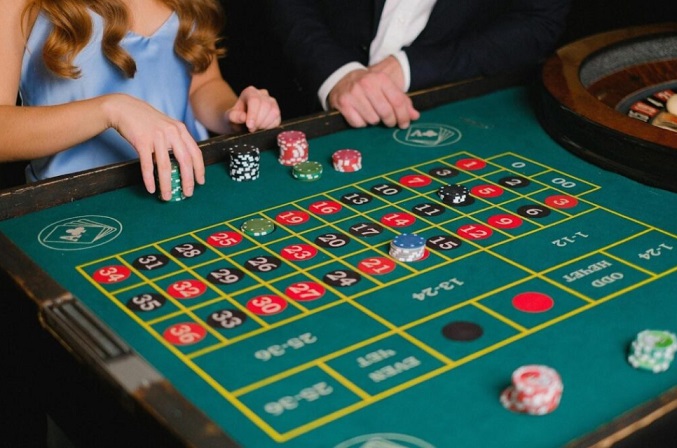
Decision fatigue is a relatively unexplored yet highly potent factor affecting gamblers’ decisions. If you have observed that yourself or a gambler makes more aggressive bets as time passes, this is not an illusion.
In this article, we are going to describe the process of decision fatigue in gambling, its reasons, and what a gambler should do to stay safe from this psychological process.
Understanding Decision Fatigue in Gambling Psychology
Decision fatigue is what happens when your brain is just tired of making so many decisions. Each decision you make when gambling to bet, spin, or play a strategy counts as decision fatigue.
In gambling, especially when gambling for a long period of time, a specific mental energy is drained. As a result, your ability to evaluate risk will become poor, and impulsiveness will emerge.
The Reason Behind Casino Environments And Emotional Fatigue
Online casinos are made for quick decision-making. The fast-paced graphics, quick play, and many choices keep your mind constantly busy.
When you play JILI online or other fast-paced games, chances are you are making dozens of micro-decisions per minute. Over time, such psychological work results in fatigue, even if the player does not feel it physically.
The Effect of Decision Fatigue on Taking Risky Bets
As decision fatigue takes hold, your mind falls back on expedients. Rather than thinking hard, you fall back on intuition or habit.
This is why gamblers often raise the stakes, pursue a losing session, or disregard the strategy they had previously considered. Risk becomes a norm, no longer threatening.
Common Risky Behaviors Caused by Decision Fatigue
When mental energy is low, these patterns can often be seen:
Pressing for bigger bets to “go out with a bang.”
The limits of losses are being ignored.
Believing a win is “due” after several losses
Playing longer than intended
These are not rational acts; these are indications of your worn-down decision-making system.
The Role of Game Design in Decision Fatigue
Casino games are not random events, but are instead set up to minimize idle time and maximize the amount of time spent playing.
Fast cycles of rounds, autoplay options, and frequent near-wins raise cognitive load. The longer one stays active, the more likely decision fatigue affects judgment.
Why Awareness Is Your Best Defense?
Game design isn’t changing, but the way you’re aware of it can. By being aware of when you’re starting to experience the effects of decision fatigue, you can give yourself a moment before a costly decision.
Once you feel less patient and emotional, you know it’s time to stop.
How to Minimize Decision Fatigue When Playing
Decision fatigue can be controlled. Habits work wonders.
These methods will help you maintain control:
- Establish time limits before beginning
- Fix the amounts to bet and do not vary them
- Short breaks every 20-30 minutes
- Finish the game once feelings overpower logic
- Do not play when tired, stressed, or distracted.
The above steps are important for maintaining rationality while avoiding impulsive decision-making.
Wrapping Up
Decision fatigue helps explain why intelligent players often make risky decisions. These decisions are not the result of a lack of discipline; rather, they come from mental fatigue. By identifying the signs, limiting yourself, and taking a break, you are in control of your choices. Game smarter, game sooner, but always be aware of yourself.
Read More:
Techexample org: An Ultimate Guide to Technological News Hub
Cruzdid com: Overview, Features, Users & Applications, Pros & Cons