

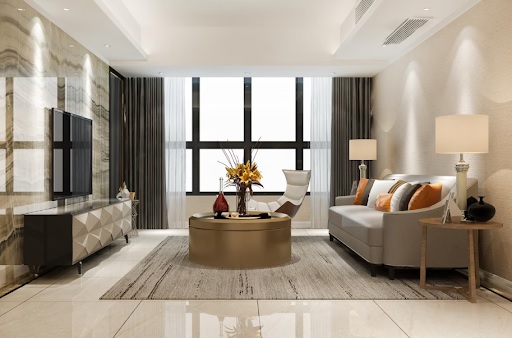
Modern living is no longer defined solely by aesthetics. Today, home interior design must balance functionality, comfort and visual appeal while adapting to evolving lifestyles. In Singapore, where residential properties range from compact HDB flats to luxury condominiums and landed homes, thoughtful design is essential to maximize space and enhance everyday living.
Urban homes regulated by the Housing & Development Board often come with standardised layouts that require creative planning to achieve a personalised look. Many homeowners turn to home interior design ideas curated by Renonation Singapore to inspire layouts, décor, and functional solutions that maximise both style and space. Meanwhile, private developments guided by the Urban Redevelopment Authority focus on land optimisation, which can result in smaller living areas. In both cases, interior design plays a vital role in transforming houses into modern, practical sanctuaries.
Below are key home interior design ideas that support modern living while maintaining elegance and efficiency.
Prioritise Open and Flexible Layouts
Modern living spaces thrive on openness. An open-concept layout seamlessly connects the living, dining, and kitchen areas, encouraging interaction and improving spatial flow. Removing non-structural walls can dramatically enhance visual continuity, making smaller homes feel larger.
Flexibility is equally important. Sliding panels or glass partitions allow homeowners to create temporary separation without sacrificing openness. For example, a study area can be enclosed during work hours and opened up afterwards to maintain a cohesive living environment.
Flexible layouts reflect contemporary lifestyles, especially with remote work becoming more common.
Embrace Minimalist Design Principles
Minimalism remains a cornerstone of modern interior design. Clean lines, clutter-free surfaces, and intentional furniture choices create a calm and sophisticated atmosphere.
Instead of filling rooms with excessive décor, focus on quality over quantity. Choose statement pieces that anchor the space, such as a well-designed sofa or a sculptural dining table. Built-in storage keeps essentials hidden, maintaining visual harmony.
Minimalist design not only enhances aesthetics but also improves functionality by reducing unnecessary distractions.
Incorporate Smart Storage Solutions
Modern homes require smart organization systems. Built-in wardrobes, concealed cabinets and under-bed storage help maintain tidiness without occupying additional floor space.
In living rooms, custom TV consoles with hidden compartments provide storage while maintaining sleek lines. Kitchens benefit from pull-out pantry systems, integrated spice racks, and concealed appliance storage.
Effective storage design ensures that even compact homes remain comfortable and uncluttered.
Use Neutral Tones with Subtle Contrasts
A neutral colour palette creates a timeless and versatile foundation. Shades of white, beige, grey, and soft earth tones reflect natural light and make interiors feel spacious.
To prevent monotony, introduce subtle contrasts through textured materials such as wood grain, matte finishes, or stone surfaces. Accent elements in darker tones or muted colours can add depth without overwhelming the design.
Consistency in colour flow throughout the home strengthens cohesion and enhances the overall modern aesthetic.
Focus on Quality Lighting Design
Lighting is essential in shaping mood and functionality. Modern living spaces benefit from layered lighting that combines ambient, task, and accent sources.
Recessed ceiling lights provide general illumination, while pendant lights above dining tables create focal points. Under-cabinet lighting in kitchens improves practicality, and wall sconces add warmth to bedrooms.
Maximising natural light is equally important. Large windows, light curtains, and reflective surfaces help brighten interiors and reduce reliance on artificial lighting during the day.
Integrate Natural Materials
Modern design often incorporates natural materials to add warmth and texture. Wood, stone, rattan, and linen introduce organic elements that soften sleek contemporary finishes.
In Singapore’s tropical climate, moisture-resistant materials are essential. Engineered wood and high-quality laminates provide durability while maintaining a natural aesthetic.
Combining natural textures with modern design elements results in spaces that feel balanced and inviting.
Design Functional Kitchens
The kitchen is a central feature of modern living. Open kitchens with island counters encourage social interaction and provide additional workspace.
Built-in appliances, handleless cabinets, and seamless countertops contribute to a streamlined appearance. Efficient layout planning, such as the kitchen work triangle concept, ensures smooth movement between cooking, cleaning, and storage areas.
A well-designed kitchen enhances daily convenience while elevating overall home value.
Create Relaxing Bedroom Retreats
Bedrooms should prioritise comfort and tranquillity. Soft lighting, upholstered headboards, and calming colour schemes promote relaxation.
Built-in wardrobes optimise storage without crowding the room. Minimal décor and clutter-free surfaces create a peaceful environment that supports restful sleep.
Modern bedroom design focuses on simplicity, comfort, and practicality.
Incorporate Smart Home Technology
Technology integration is increasingly common in modern homes. Smart lighting systems, digital door locks, automated blinds, and climate control systems enhance convenience and security.
Concealed wiring and organised cable management maintain clean aesthetics. These upgrades not only improve functionality but also future-proof the home.
Smart features are particularly appealing to younger homeowners who value connectivity and efficiency.
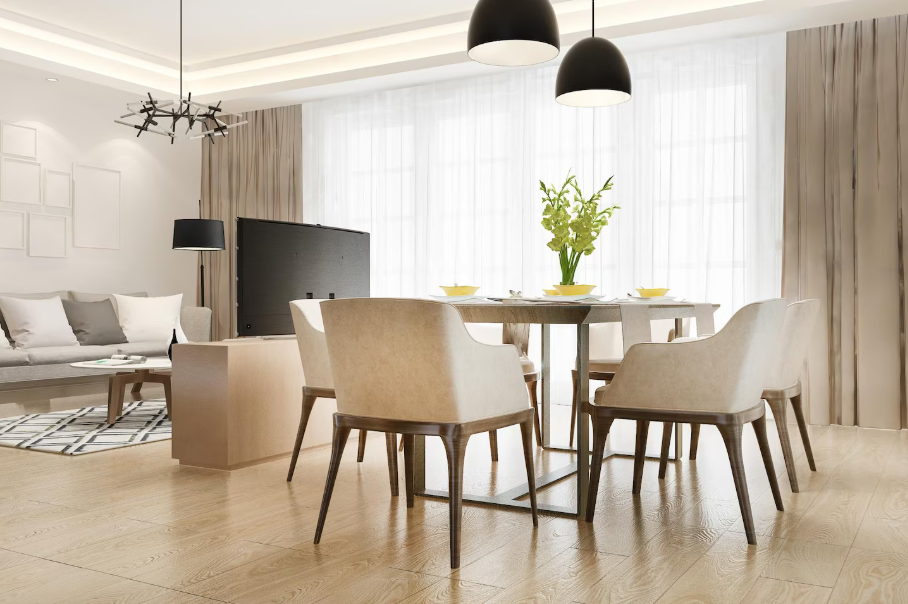
Personalise with Purpose
While modern design often emphasises minimalism, personal touches should not be overlooked. Artwork, curated décor, and indoor plants add character and warmth.
The key is balance. Select decorative elements thoughtfully to avoid overcrowding the space. A few meaningful pieces can make a home feel uniquely yours without disrupting its clean design.
Conclusion
Home interior design ideas for modern living spaces revolve around balance, functionality and refined aesthetics. By embracing open layouts, smart storage solutions, neutral palettes, quality lighting, and natural materials, homeowners can create spaces that are both stylish and practical.
Modern living is about adaptability. Homes must accommodate work, relaxation, entertainment, and family life within the same environment. Thoughtful interior design ensures that each area serves its purpose while contributing to a cohesive and elegant whole.
With careful planning and intentional choices, any home—regardless of size—can become a comfortable and sophisticated modern living space.
FAQs
What defines modern interior design?
Modern design emphasises clean lines, neutral colours, functionality, and minimal clutter.
How can I modernise my home on a budget?
Focus on decluttering, repainting with neutral tones, upgrading lighting, and incorporating simple, streamlined furniture.
Are open-concept layouts suitable for small homes?
Yes, open layouts enhance spatial perception and improve natural light distribution.
Is smart home integration necessary?
While not essential, smart features enhance convenience and align with contemporary living trends.