

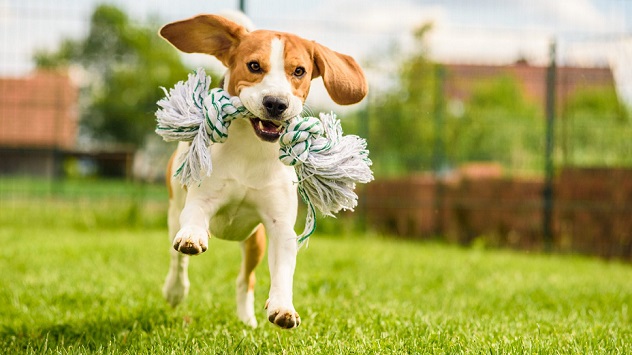
Early learning plays a vital role in shaping a puppy’s confidence, manners, and social skills. The habits formed during the first few months often influence how a dog responds to new experiences, people, and other animals throughout adulthood.
The Importance of Early Socialization
During the early developmental stage, puppies are most receptive to new sights, sounds, and environments. Positive exposure helps them adapt to daily life and reduces fear-based reactions later on. Structured experiences like puppy classes provide a safe setting for young dogs to interact and learn basic communication skills.
Without adequate socialization, dogs may develop anxiety or defensive behaviors. Introducing diverse environments, gentle handling, and calm interactions helps build resilience and trust. This foundation prepares them to handle the challenges of adulthood with confidence.
Building Good Habits from the Start
Consistency and patience are key when teaching new behaviors. Puppies learn through repetition and clear communication. Establishing household routines early—such as feeding schedules, toilet breaks, and resting times—helps them understand expectations.
Reward-based methods encourage cooperation and strengthen the bond between owner and puppy. When positive reinforcement is used, dogs associate obedience with pleasant outcomes, making them more eager to learn and behave well.
Core Skills to Prioritize
- Responding to their name and basic cues such as sit, stay, and come
- Leash manners and calm walking
- Comfort with gentle grooming and handling
- Exposure to household noises and varied settings
These foundational lessons make future training smoother and reduce potential behavioral issues. Puppies that learn impulse control early often grow into calmer and more adaptable dogs.
The Role of Play in Development
Play is more than fun—it’s an essential learning tool. Through play, puppies develop coordination, problem-solving skills, and bite inhibition. Interactive games also teach patience and cooperation, reinforcing boundaries in a natural way.
Structured play sessions with other well-behaved dogs teach social cues and body language. This understanding is crucial for preventing misunderstandings or conflicts as they mature.
Introducing Physical and Mental Challenges
As puppies grow, introducing gentle physical challenges builds both fitness and focus. Activities like agility training for puppies are designed to improve balance, coordination, and problem-solving ability while keeping learning enjoyable.
Agility exercises stimulate a puppy’s mind and body. Simple obstacles, tunnels, and low jumps encourage exploration and trust. These experiences enhance confidence, helping young dogs become more responsive and attentive.
Benefits of Mental Stimulation
- Reduces boredom and destructive behavior
- Encourages curiosity and creativity
- Strengthens focus and impulse control
- Builds confidence through small victories
Combining physical activity with mental challenges ensures well-rounded development. Puppies that engage in diverse learning experiences tend to remain more adaptable and content as adults.
Long-Term Impact of Early Training
Puppies that receive structured guidance early in life often display better emotional control, stronger social skills, and deeper trust in their human companions. These traits contribute to a harmonious household and a dog that can handle new situations calmly.
Early training is not about perfection but about building understanding and communication. Patience, consistency, and empathy during these formative months create a lifelong foundation for good behavior and mutual respect.