

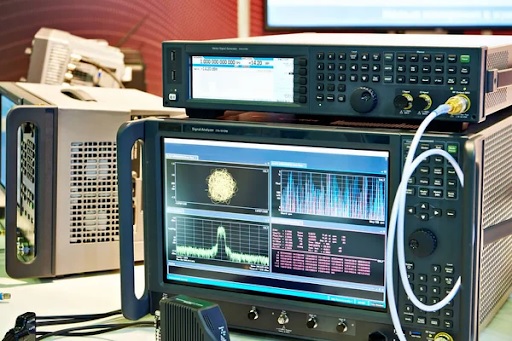
Unveil the mystery of the Spectrum Analyser! Dive deep into its functions, significance, & role with our comprehensive guide! #UnderstandingSpectrumAnalyser
A spectrum analyzer is an essential instrument used to measure the amplitude of signals across a wide range of frequencies. By providing a detailed visual representation of the frequency domain, it helps users understand signal composition, diagnose issues, and ensure optimal system performance. This tool is widely used in telecommunications, audio engineering, electronics and scientific research, making it a cornerstone of modern signal analysis.
Understanding what is spectrum analyzer and how it works is crucial for anyone involved in signal processing. It helps identify interference, fine-tune equipment, and maintain compliance with industry standards. As communication technologies continue to evolve, accurate frequency analysis becomes even more vital for engineers, researchers, and technicians.
The Concept of Spectrum Analysis
Spectrum analysis is the process of examining the individual frequency components that form a signal. This analysis allows users to break down complex signals into understandable data, helping them observe signal behavior, detect anomalies, and optimize performance across various applications. It plays a major role in telecommunications, scientific research, environmental studies, and audio engineering.
Several important concepts are associated with spectrum analysis. These include frequency, amplitude, spectral density, resolution bandwidth, Fourier transform, harmonics, noise analysis, digital sampling, windowing functions, and phase shift. Together, these terms form the foundation of signal processing and help users interpret the information displayed on a spectrum analyzer more effectively.
Advancements in science and technology continue to push spectrum analysis forward. Modern techniques enhance data interpretation, making results more accurate and reliable. With the rise of digital communication, wireless technology and advanced electronics, the demand for improved spectrum analysis tools continues to grow.
The Role of a Spectrum Analyzer
The primary purpose of a spectrum analyzer is to visualize and measure signal frequencies over a selected range. By displaying amplitude versus frequency, it allows users to detect harmonics, interference and unwanted signals. This capability makes it a valuable tool for troubleshooting and system optimization.
Spectrum analyzers offer several advantages. They help identify signal distortion, evaluate equipment performance and ensure communication systems operate efficiently. They also support compliance with regulatory standards by detecting unauthorized frequencies or potential sources of interference.
Many industries rely heavily on spectrum analysis. Telecommunications uses it for signal processing, network optimization, and bandwidth management. Healthcare utilizes spectral data in medical imaging and diagnostic tools. Environmental monitoring relies on frequency analysis for detecting pollutants and analyzing atmospheric data. Defense applications include surveillance, radar testing and communication security.
In the research and development field, spectrum analyzers are indispensable. They help engineers and scientists study signal behavior, analyze prototypes and validate new technologies. Their precision supports innovation by ensuring accurate testing and measurement during development stages.
Understanding the Functions of a Spectrum Analyzer
Spectrum analyzers are crucial in technology and scientific research due to their ability to provide detailed information on signal behavior. They help users understand frequency distribution, energy levels and interference sources, which are essential for developing reliable communication systems and electronic devices.
In electronic and communication engineering, spectrum analyzers assist in observing frequency patterns, managing bandwidth, and troubleshooting performance issues. They ensure that communication signals remain clear, stable and within regulated limits. Engineers depend on spectrum analysis to design more efficient circuits, antennas and communication systems.
In astronomical studies, spectrum analyzers help scientists interpret light emitted by celestial objects. Spectral data reveals information about a star or planet’s composition, temperature and motion, making spectrum analysis indispensable in modern astronomy.
Medical research also benefits greatly from spectral analysis. By analyzing biological signals, researchers gain insights into disease patterns, organ function and treatment effectiveness. This improves diagnostic accuracy and supports the development of advanced medical technologies.
Other scientific fields also rely on spectrum analyzers for studying electromagnetic waves, analyzing material properties and enhancing communication technologies. Their ability to measure signals precisely makes them valuable tools across diverse disciplines.
Selection and Operation of Spectrum Analyzers
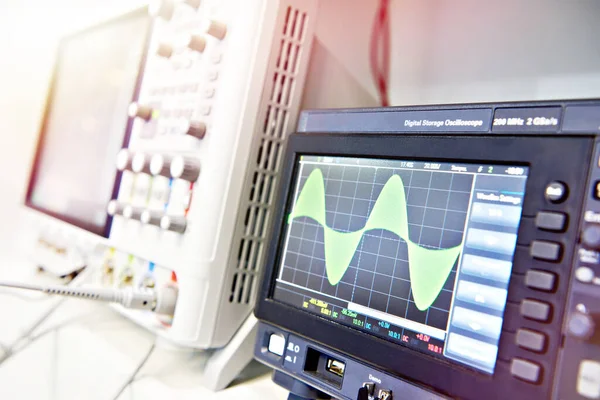
Choosing the right spectrum analyzer depends on several factors. Users should consider the required frequency range, resolution bandwidth, dynamic range and measurement accuracy. Portability, display quality and ease of use also play significant roles in selecting the best device for specific applications. Understanding your project’s goals ensures you select a spectrum analyzer suited for your needs.
Using a spectrum analyzer involves measuring and displaying the frequency spectrum of signals. The device shows amplitude versus frequency, helping users identify signal characteristics, bandwidth usage and potential issues. It is widely used in telecommunications, audio engineering and electronic testing for diagnosing problems and optimizing performance.
Future Directions in Spectrum Analysis
Emerging technologies continue to reshape how spectrum analysis is performed. Innovations such as machine learning, real-time data analytics and advanced digital signal processing are improving accuracy and enhancing visualization capabilities. These developments help users detect interference faster, manage frequencies more efficiently and improve overall communication network performance.
The implications for industries relying on spectrum analysis are significant. Telecommunications may see improved bandwidth allocation and reduced interference. Environmental monitoring could benefit from more precise detection of pollutants and atmospheric changes. Healthcare may achieve faster and more reliable diagnostics through enhanced spectral imaging techniques. However, these advancements may also introduce regulatory challenges, requiring updated compliance strategies and improved spectrum management.
Conclusion
Spectrum analyzers play an essential role in today’s technology-driven industries. From telecommunications and medical research to astronomy and environmental monitoring, they provide the detailed frequency analysis needed to optimize systems, troubleshoot issues and support scientific discovery. As advancements continue to shape the field, spectrum analysis will remain a vital tool for improving communication technologies and expanding our understanding of complex signals.
Read More:
Riyaz Bhati : Age, Wife, Children, Family, Career, Controversies & More
Jake Paul Net Worth: Biography, Earnings ,Boxing Income, Business , Lifestyle & More